
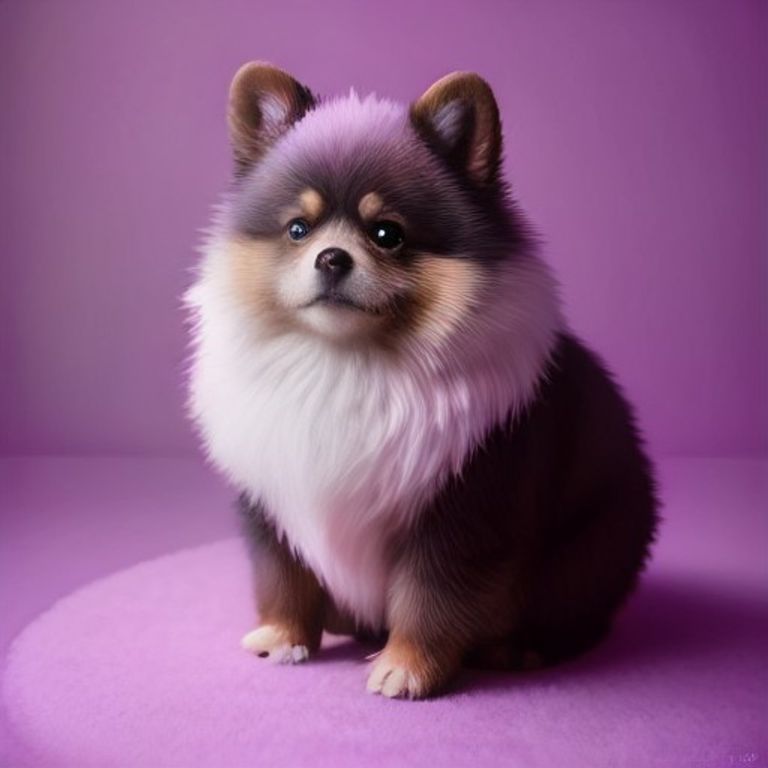
Every summer people come to us with the same request: "Shave him short so he won't be so hot." The intention is kind — the owner genuinely feels for their pet. But this act of care has a flip side that's rarely said out loud: for most dogs, shaving down in the heat is not a rescue but a harm. Let's be honest about why that is, which dogs must never be shaved, and which ones a summer trim actually helps.
The "summer cool-down" myth: how a coat really works
It seems logical: less fur, less heat. But a dog's coat works not like a winter coat but like a thermos — it holds a comfortable temperature in both directions. In most breeds the coat is double: a coarse guard hair and a soft undercoat. The undercoat creates a layer of air around the body that retains warmth in winter and, conversely, keeps scorching air and direct sun away from the skin in summer. Dogs barely sweat through their skin — they cool themselves by panting, through the tongue. So by shaving off the coat you don't help your pet cool down: you strip away its built-in protection against overheating.
What shaving in the heat leads to
The consequences are far more serious than they seem. First, bare skin is defenseless against the sun — a dog easily gets sunburned, and the risk of heatstroke doesn't drop, it rises. Second, in breeds with an undercoat the fur after clippers often grows back slowly, unevenly, in patches, or not at all — this is clip-induced alopecia, and it's impossible to predict in advance. Third, the very structure of the coat is disrupted: guard hair and undercoat grow back mixed together, the fur becomes fluffier, repels dirt worse and mats more easily. A single shave-down can ruin a pet's coat for years.
Who must never be shaved
Breeds with a dense double undercoat are categorically never shaved down: huskies, malamutes, samoyeds, spitzes, corgis, laikas, golden retrievers, German shepherds. Their coat is a thermoregulation system, and interfering with it using clippers is not allowed. Incidentally, the exact same logic applies to cats — why they too shouldn't be shaved "for summer" we covered separately. If such a pet is hot, the answer is not shaving but the proper removal of dead undercoat — more on that below.
Which dogs a summer trim suits
There are breeds for which a short trim isn't harmful but beneficial — these are dogs without an undercoat, with continuously growing coats: poodles, bichons, Yorkshire terriers, Shih Tzus, Kerry Blue terriers. Their coat is closer in structure to hair and doesn't serve a thermoregulation function, so in summer a neat short trim really does make things easier for them. A separate matter is the hygienic trim: tidying the coat in the intimate area, on the belly, between the paw pads and around the eyes. It's useful in summer for any dog and has nothing to do with shaving down. And, of course, a trim is justified on medical grounds and for severe mats that can no longer be brushed out.
What genuinely helps a pet in the heat
If the goal is to make summer easier for your dog, other, safe methods work. The main one is removing the dead undercoat with express de-shedding: the groomer combs out the dead fluff down to the skin, the coat becomes lighter and "breathes" better, while the guard hair — the protection from the sun — stays in place. At home, add regular brushing, constant access to cool water and shade, and walks early in the morning and late in the evening rather than in the midday heat. We've gathered the basic rules of summer care in our memo for owners. All procedures for dogs and their prices are on the pricing page, you can book a visit online, and the tracker in your personal cabinet will remind you when it's time to refresh the de-shedding.
Not sure what suits your pet in the heat? Come for a consultation — we'll assess the coat type, tell you honestly whether a trim is needed at all, and choose safe care tailored to your dog.